Living with COPD is difficult. Every breath becomes a struggle, routine tasks are exhausting, and symptoms worsen over time. Although the lung damage caused by COPD cannot be reversed, with the proper treatment and lifestyle changes, many patients experience notable improvements in their lung health, energy levels, and quality of life. You have many questions about everything from the specifics of your treatment plan to making everyday choices that support the health of your lungs. In this blog post, we’ll cover all that and more in this guide to improving lung health with COPD. Keep reading these tips. How are these tips improving your lung health?
Let’s explore these tips together!
Why Do You Need to Improve Your Lung Health?
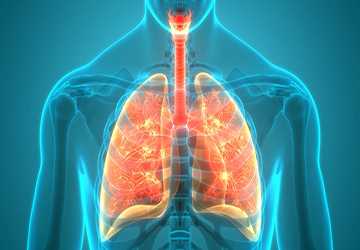
Before exploring our tips, let's talk briefly about why taking steps to maximize your lung function is so important. COPD symptoms worsen over time because of lung damage sustained from either smoking or long-term exposure to lung irritants. This damage obstructs the airflow in your respiratory tract, making breathing more difficult. Ultimately, lung health declines further, and symptoms progress. The good news is that good treatment and self-care can slow down further lung damage, ease symptoms, and help you feel much better overall.
Let's read these tips in detail.
Don't Go it Alone: Seek Care from a Pulmonologist.
Managing severe chronic lung disease requires expertise. That's why it's strongly recommended that you seek Care from a pulmonologist, a doctor specializing in lung conditions. A pulmonologist has the training to prescribe the proper medications, order appropriate tests, provide oxygen therapy if needed, recommend pulmonary rehab or additional therapies, and deliver comprehensive Care. Don't hesitate to ask plenty of questions as you work with your pulmonologist to improve your health! They will create a treatment plan tailored to your individual needs and priorities.
Take All Prescribed Medications Consistently
Once your doctor determines the proper medications for your COPD, you must take them exactly as directed for your entire life. Skipping meds or cutting back on doses can allow symptoms to worsen and the progression of the disease to speed up. Common medications used to treat COPD include bronchodilators to improve airflow, corticosteroids to reduce inflammation, and antibiotics to treat exacerbations and prevent infection. Always talk to your doctor before making any changes to your meds.
Consider Pulmonary Rehabilitation Therapy
Pulmonary rehabilitation provides supervised exercise, breathing retraining, and education to help improve overall lung health and functioning. Studies have shown that PRT significantly eases symptoms like shortness of breath and fatigue and improves exercise capacity and quality of life. Ask your pulmonologist if a referral to pulmonary rehab might benefit you. Most insurance plans cover all or part of PRT.
Focus on Nutrition
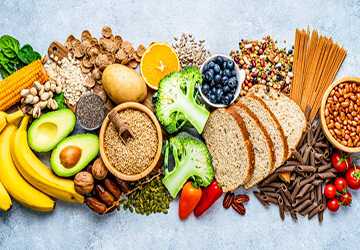
People with COPD often burn more calories just breathing than healthy people do, which can lead to unwanted weight and muscle loss. To counter this, eat a balanced, high-calorie diet centred around nutrient-dense whole foods. Eat fruits, vegetables, whole grains, beans, nuts, dairy, fish, lean meats, and more. Your doctor may suggest nutritional supplements, too. Staying well-nourished is critical for overall health.
Exercise Wisely to Improve Lung Capacity
Physical inactivity leads to faster lung function decline in COPD patients. Movement expands lung capacity and clears mucus that can clog airways. The key is to find an exercise routine you can maintain without triggering significant shortness of breath. Work closely with your doctor or pulmonary rehab specialist, starting slowly and working your way up under medical guidance. Options include walking, water aerobics, tai chi, and strength training. Please don't overdo it!
Make Lifestyle Changes to Protect Your Lungs
Finally, adapting your lifestyle to COPD-friendly ways makes a big difference. Key steps include quitting smoking, avoiding lung irritants and pollution when possible, managing stress with relaxing hobbies, getting vaccines to prevent illness, using home oxygen as prescribed, getting enough sleep, pacing activities to conserve energy, and more.Every positive change helps improve symptoms, slows lung function decline, and boosts your quality of life.
Make Lung Health Your Top Priority Now!
Does improving your lung health now seem more urgent and achievable? In this guide, we covered the importance of seeing specialists, taking meds properly, doing rehab and workouts, eating well, and adjusting your lifestyle. It only works if you act! Make COPD care a priority starting today. Small steps matter when it comes to feeling better and slowing progression. Discuss your symptoms and options with your doctor as soon as possible. Pick one self-care goal to start on now, like going for a short walk or adding veggies to a meal. Then keep the momentum going! You can take your lung health into your own hands, even with COPD. And we're here to offer more support whenever you need it. Breathe a little easier knowing you've got this!




-

Health & Medical Treatment
- 6 Low-Impact Exercises for Seniors to Stay Fit and HealthyNovember 18, 2025

-
Health & Medical Treatment
- 5 Effective Relaxation Techniques to Help You Manage StressNovember 17, 2025