It is evident from the increased occurrence of natural disasters in the past few decades that human activity is adversely damaging the environment and the environment is returning the favor in the form of these disasters that cause both life losses and economic losses. These impacts are increasing over time, and we need to be well-aware of what’s coming next:
Extreme heat waves:
There is an eminent rise in the temperature and humidity leading to stronger heat waves that effect humans. We know that if the internal temperature of a person exceeds 104 ℉, it causes cellular damage and malfunctioning of important systems that can result in damage to vital organs or even death. Similarly, the agricultural yield is severely affected by the heat stress that is causing economic loss to the poor and migration to urban areas, for example maize yield of Brazil are in danger of drastic loss due to warmer temperature.
Hurricanes:
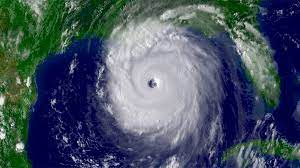
The global warming is causing the oceanic temperature to rise which provide energy for the formation of hurricanes. The damage caused by a hurricane multiplies exponentially with a slight rise in its strength. In comparison, the wind damage led by a Category A (130-156 mph) is 250 times higher than that caused by a Category 1 (74-95 mph) hurricane. Hurricanes are damaging for the agricultural crops, cattle, wildlife, and humans, if necessary measures are not taken in a timely manner.
Algal blooms:
Algal blooms refer to an uncontrolled growth of algae in marine or freshwater systems. The outbreak of algae also referred as “red tide”, causes oxygen deprivation for the aqua life by consuming most of the oxygen, and also produce toxins that harm humans and other wildlife. The layer may appear red in color due to the overpopulation of dinoflagellates. The outbreak can occur in oceans, rivers, and lakes etc. and is primarily caused by Cyanobacteria (blue-green algae), which grow happily in nutrient-rich and warm water. The release of industrial, municipal wastewaters into the waterbodies and the rise in temperature due to global warming are the key reasons of increased occurrence.
Megafires:
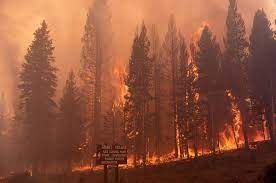
Climate change is resulting in extreme wildfires due to increased temperature, dryness, evapotranspiration; due to which the vegetative areas become more burnable. The heavy wet seasons drive the over growth of vegetation during the wet seasons which get dried during the extreme dry conditions and lead to megafires. These megafires contribute to the release of 290 million metric tons of carbon dioxide in the environment that triggers further climate change through global warming.
Drought:
Drought is the most common disaster that comes to mind when we talk about climate change. There impact is not as quick as of hurricanes, wildfires, or floods but they have lasting impacts on the area that could permanently alter the ecosystem. Drought can lead to wildfires, insect migration, disturbed carbon, and water cycles. Climate change has prolonged the period of drought in comparison to the time required by the land to replenish its water and nutrient needs. This stress is harming the plants, wildlife and ultimately the humans as the droughts are getting worsened with time.
Flooding:
The intensity and frequency of floods has increase rapidly in the recent decades owing to the global warming. Warm air can hold more moisture, according to an estimate the moisture holding capacity increases by 7% with every 1.8 ℉ increase in temperature. The increased rainfall leads to flooding which destroys the nearby areas, cause population shift, loss of crops and cattle etc.





-

Health & Medical Treatment
- 5 Effective Relaxation Techniques to Help You Manage StressNovember 17, 2025

-
Health & Medical Treatment
- 6 Immune-Boosting Foods Every Child Should Eat During Flu SeasonNovember 12, 2025

-
Health & Medical Treatment
- 6 Tips for Managing Screen Time and Protecting Your Child’s EyesightNovember 8, 2025